

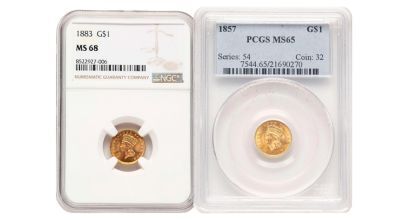
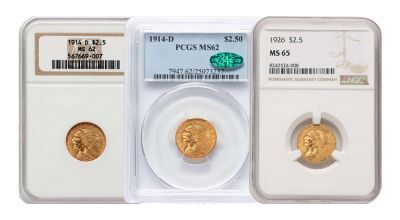
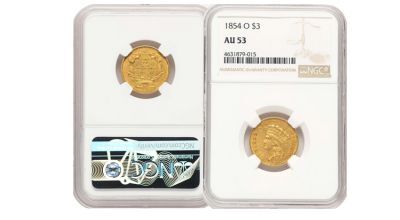
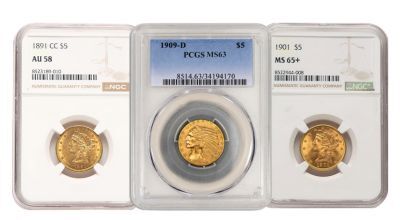
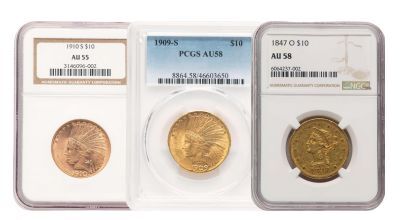
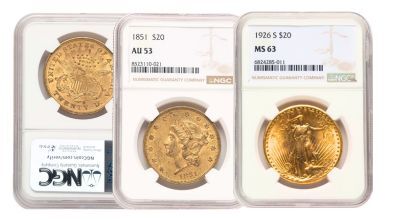
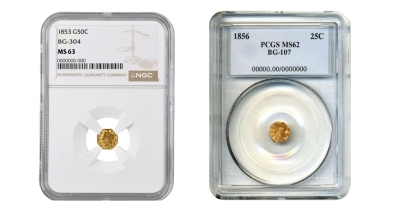
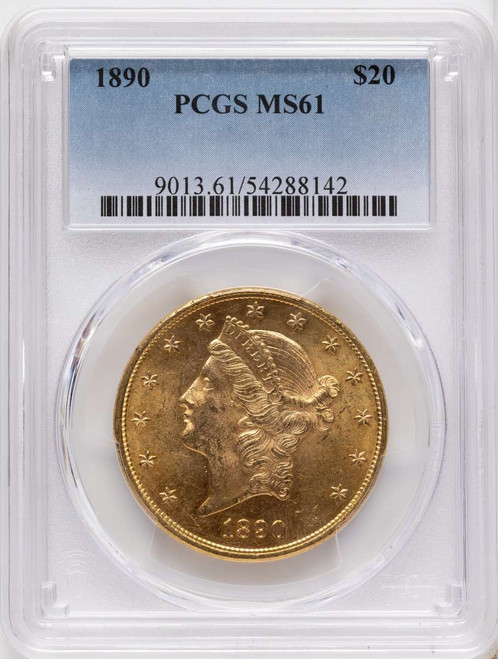

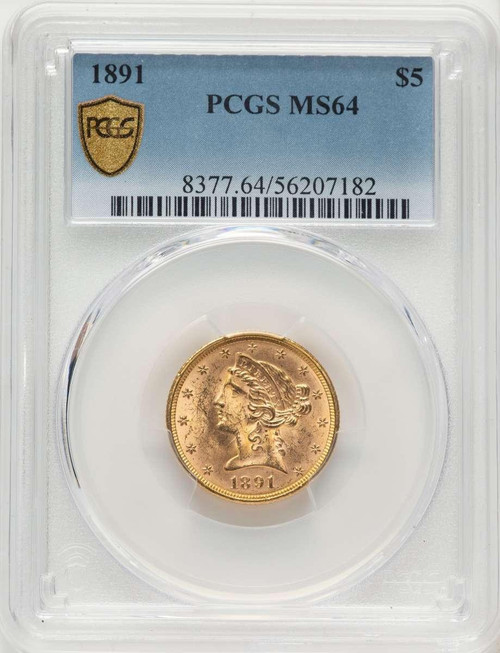
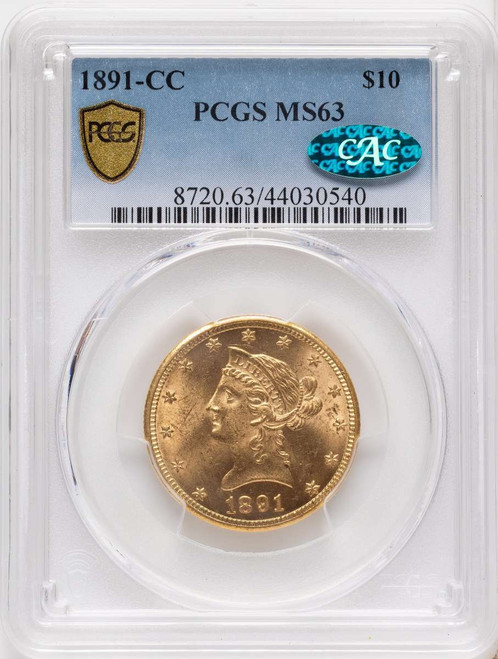
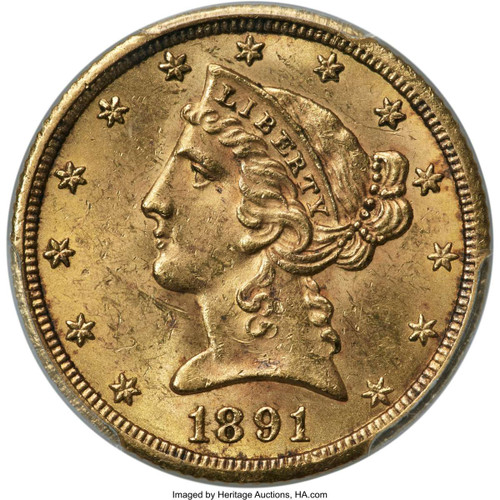


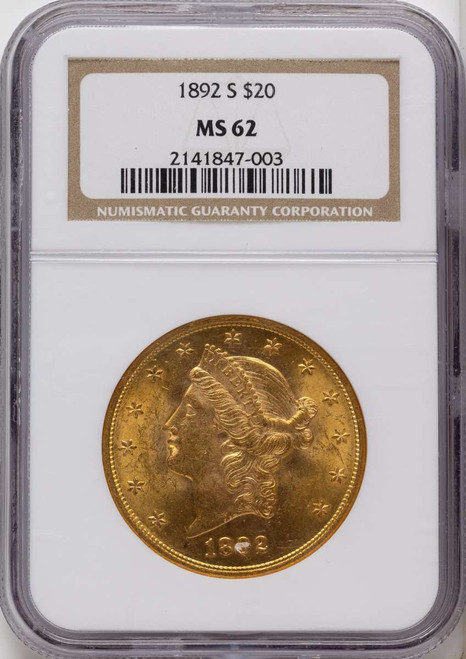
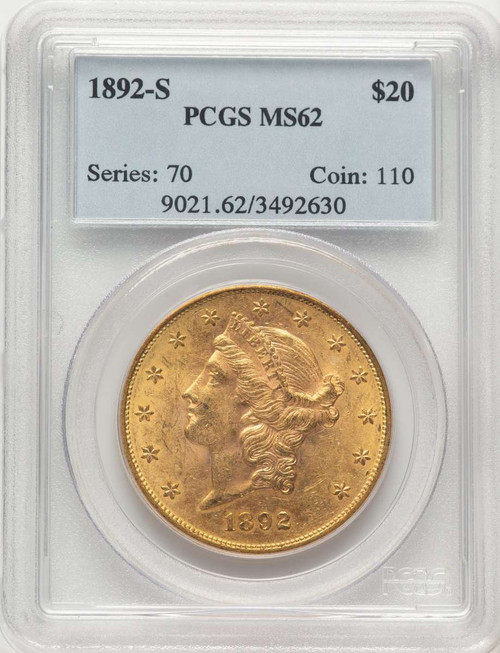

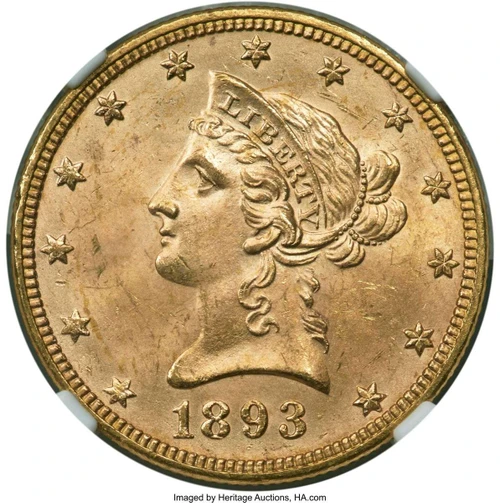


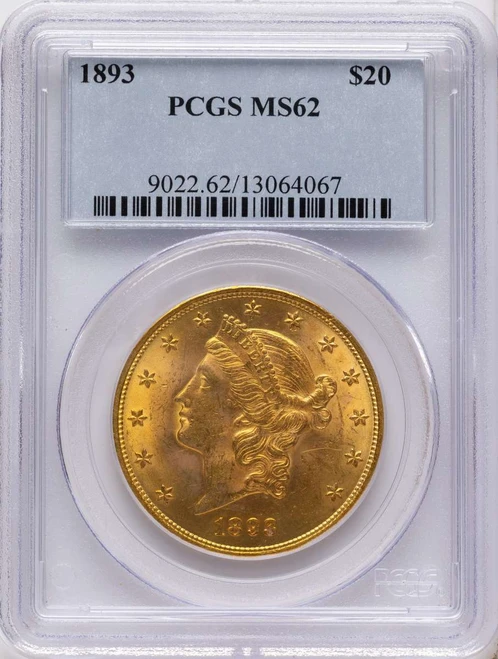
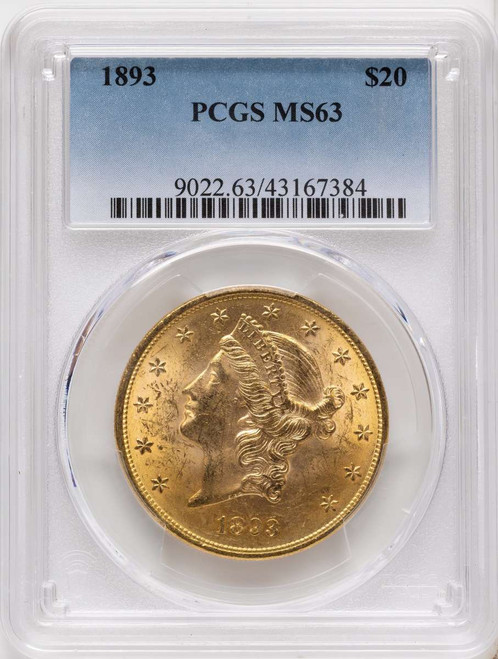


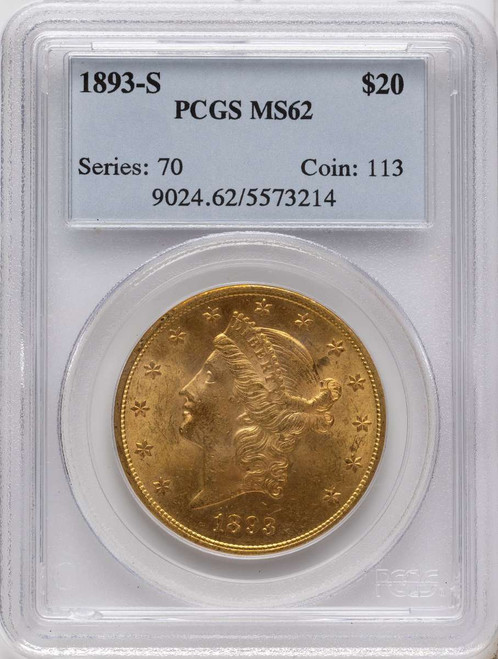


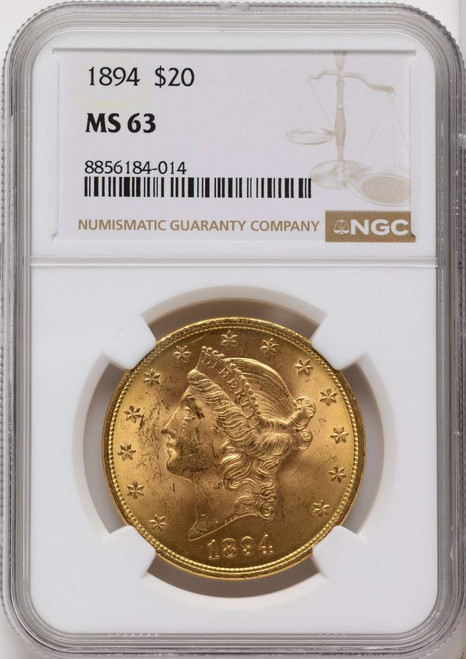


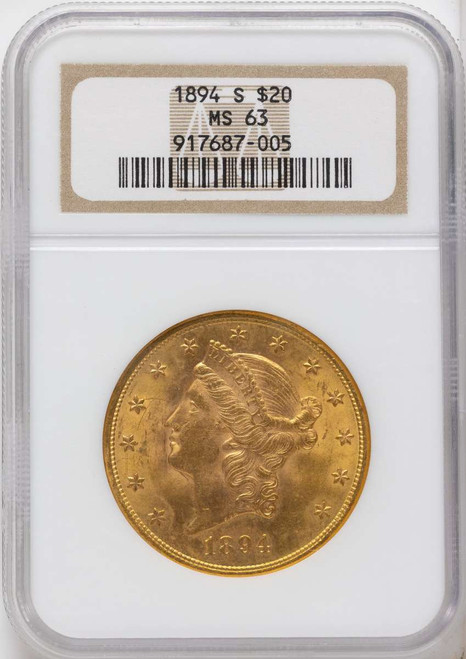


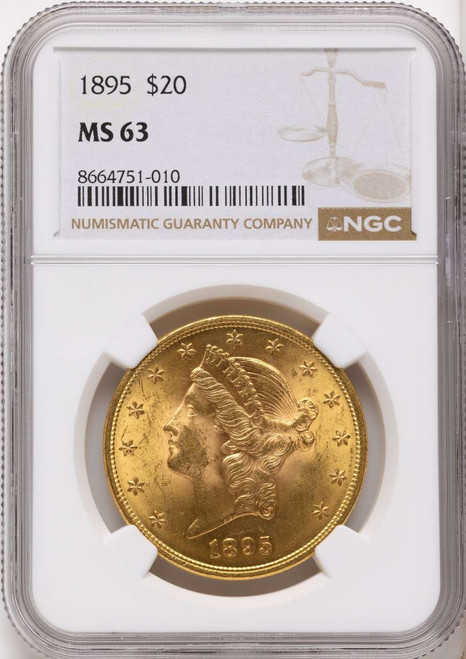


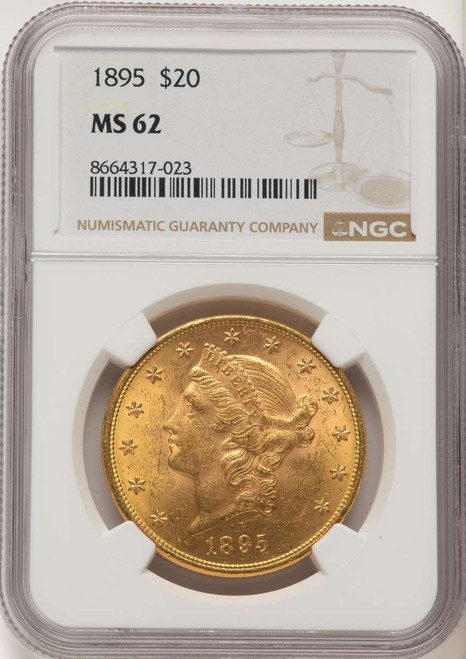


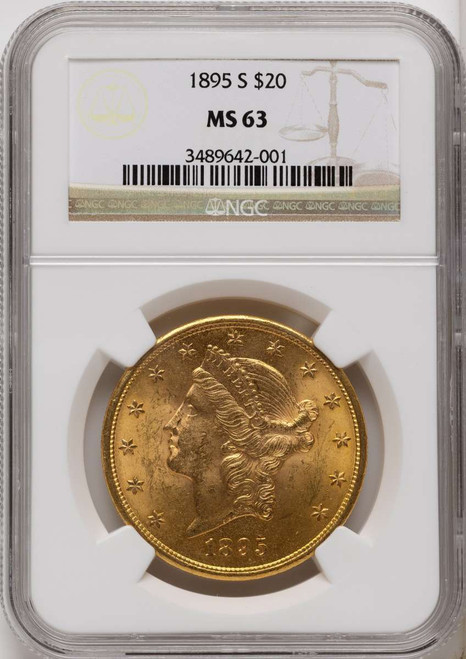


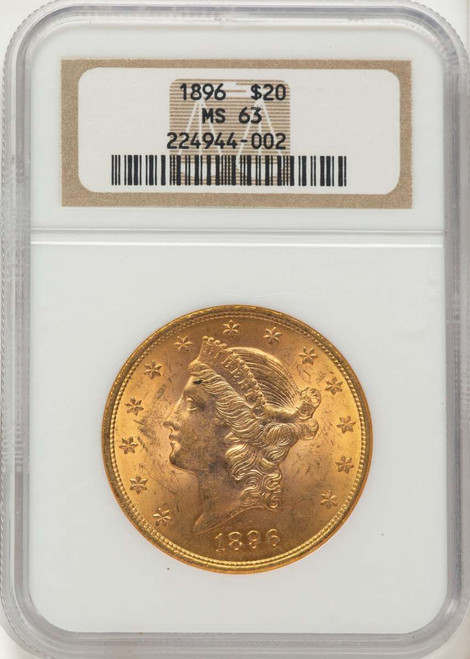

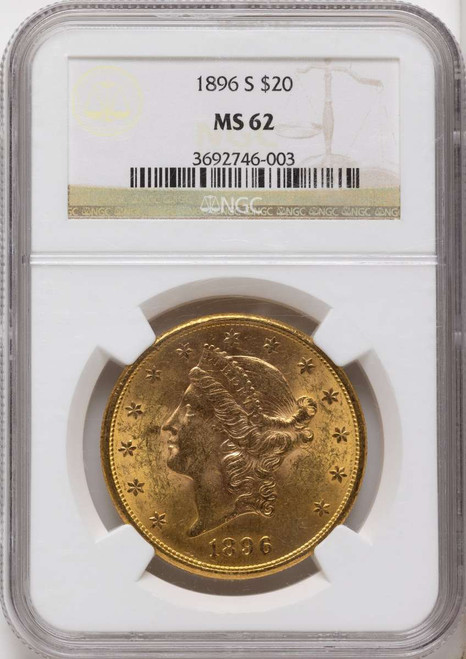
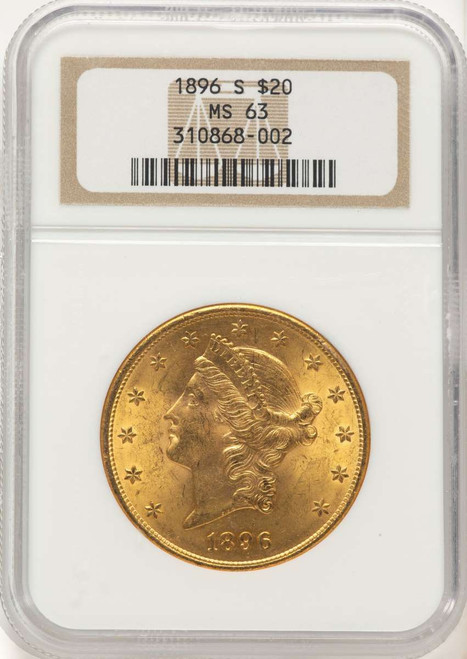
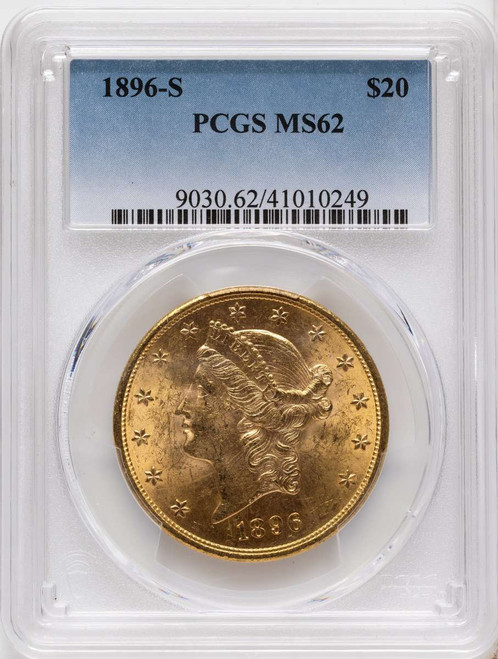


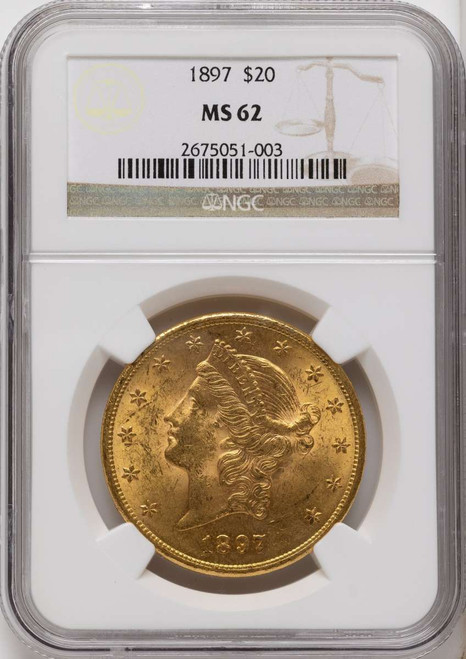
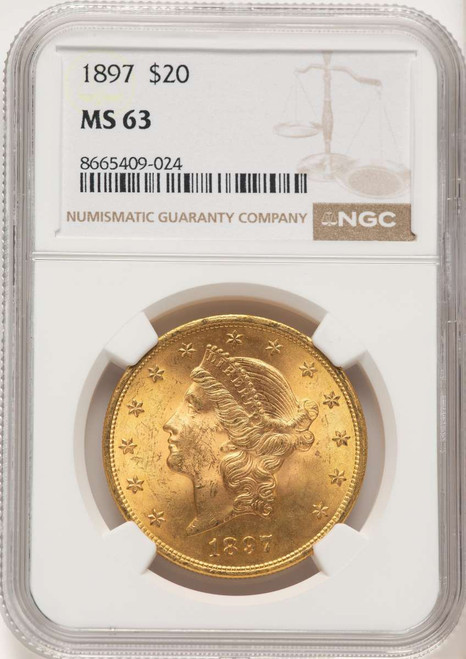
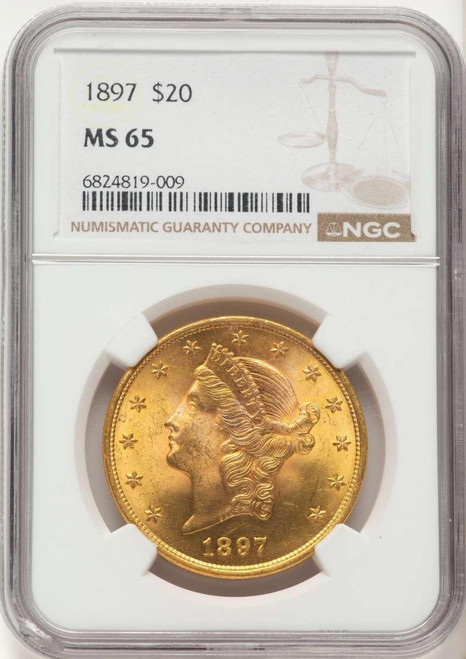

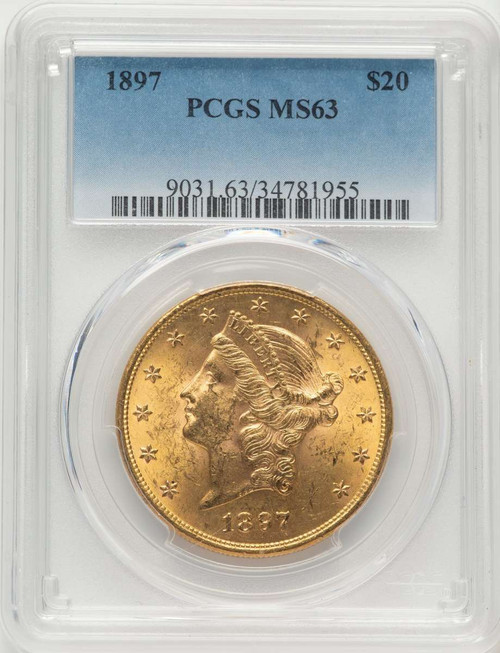


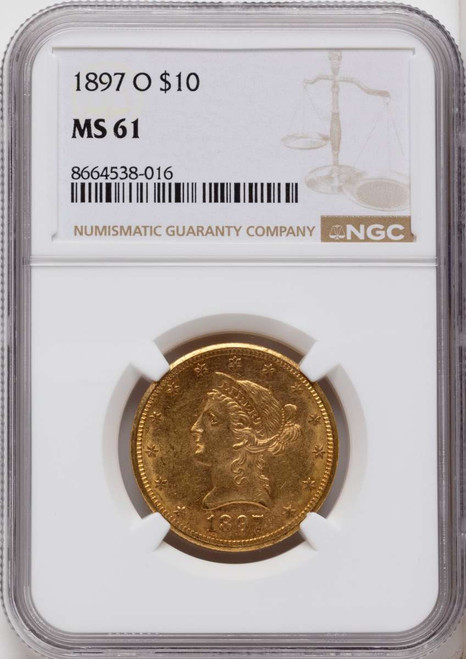


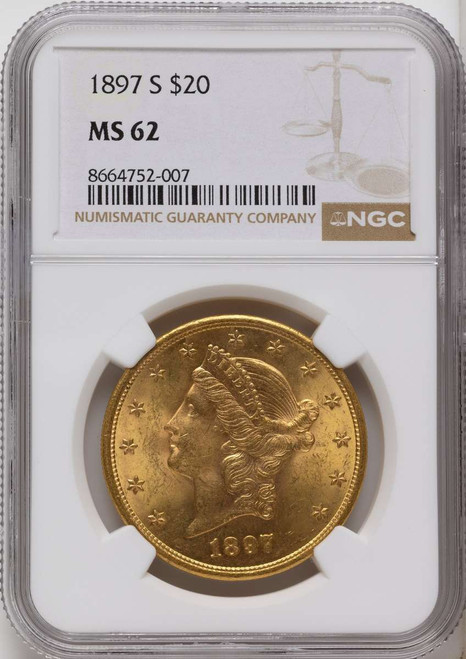


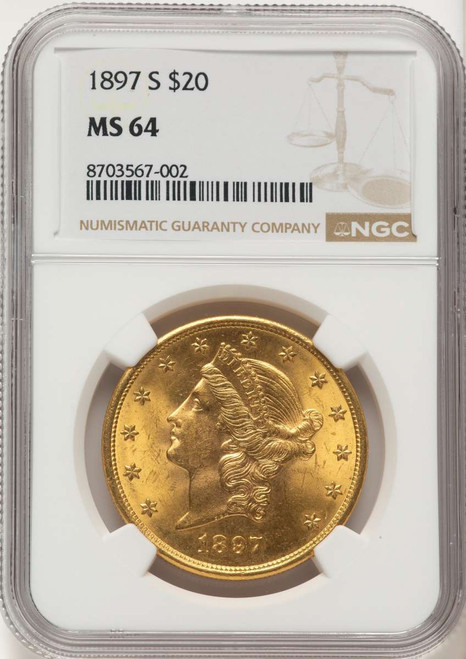
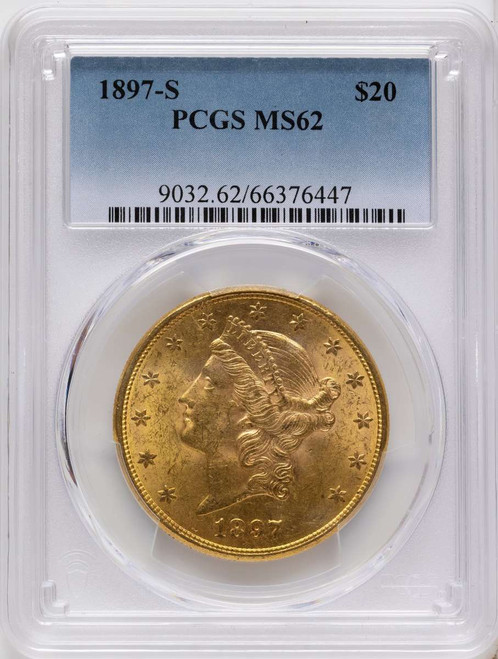


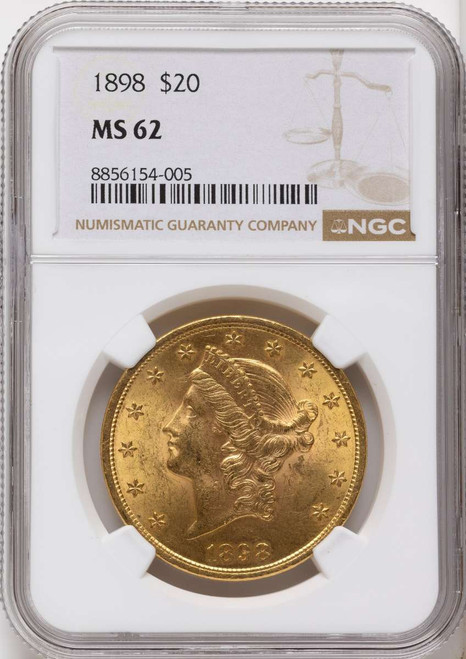
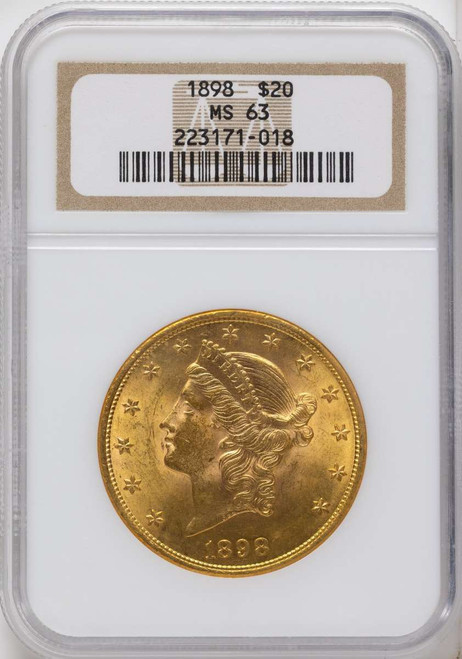

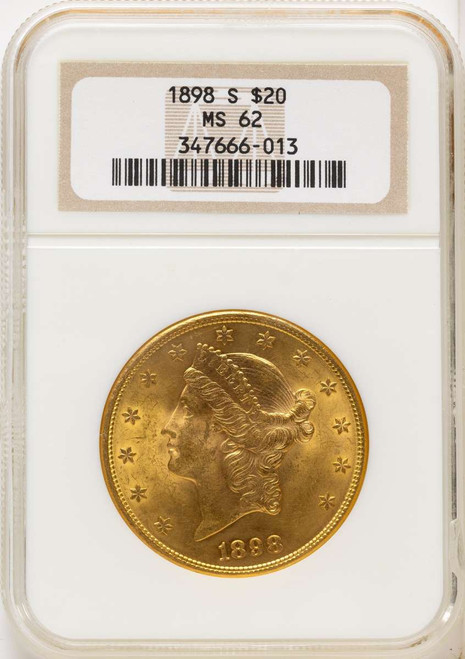
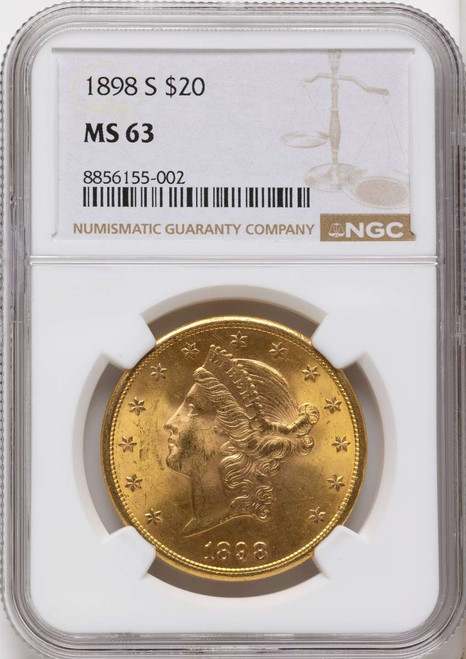

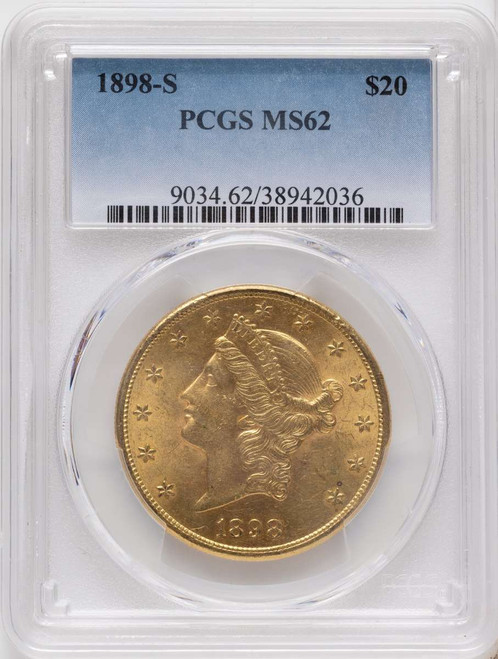


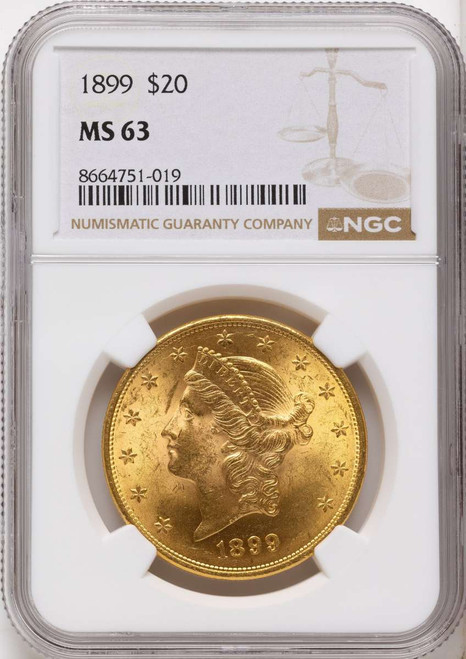


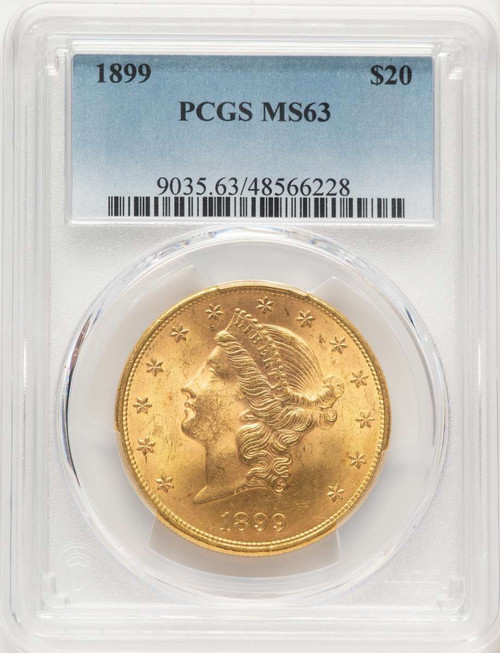
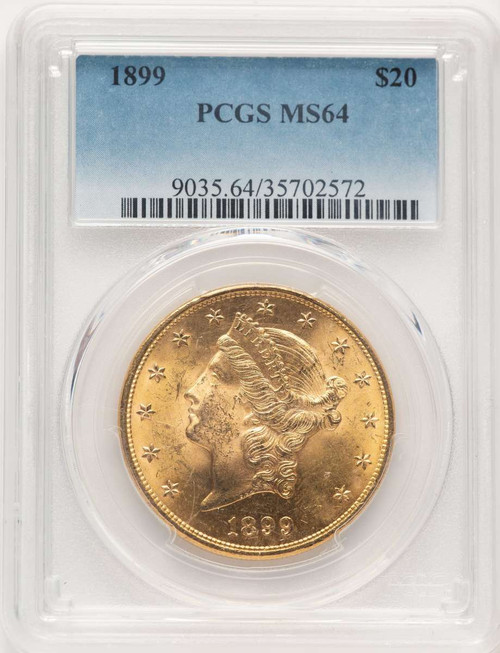


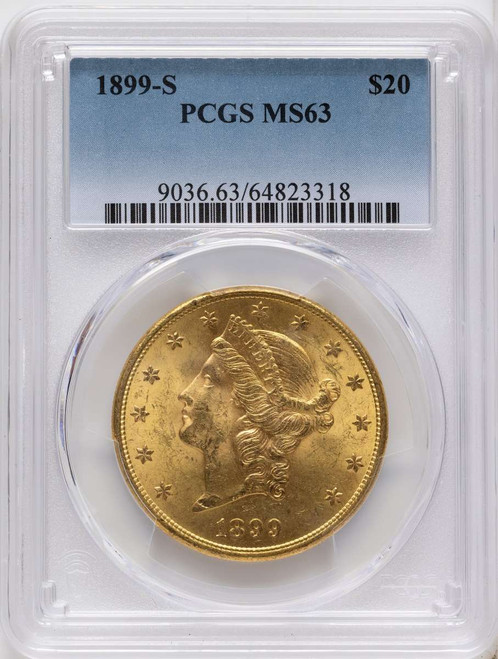
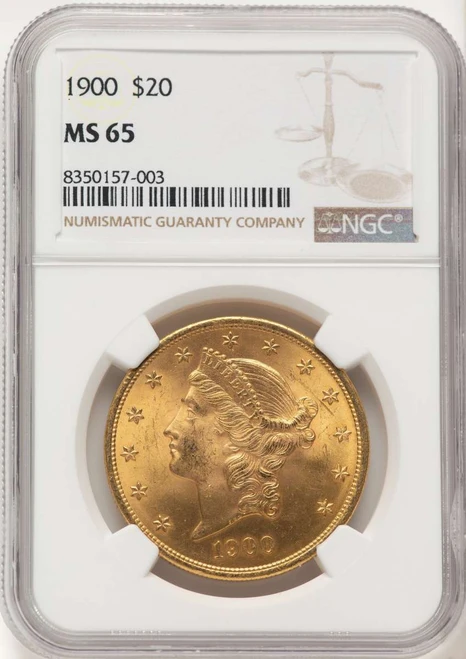
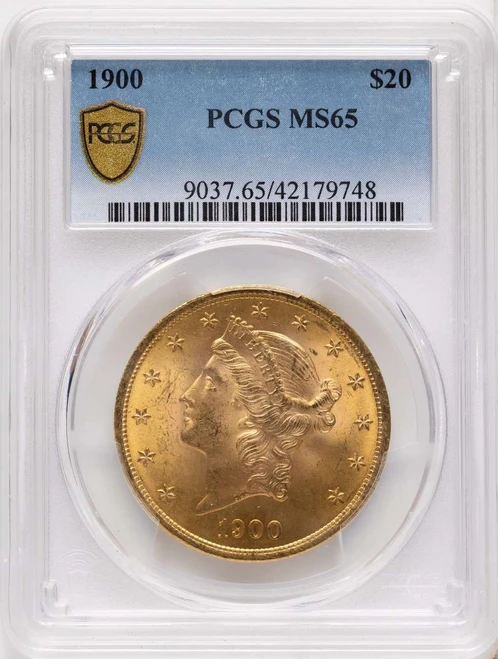


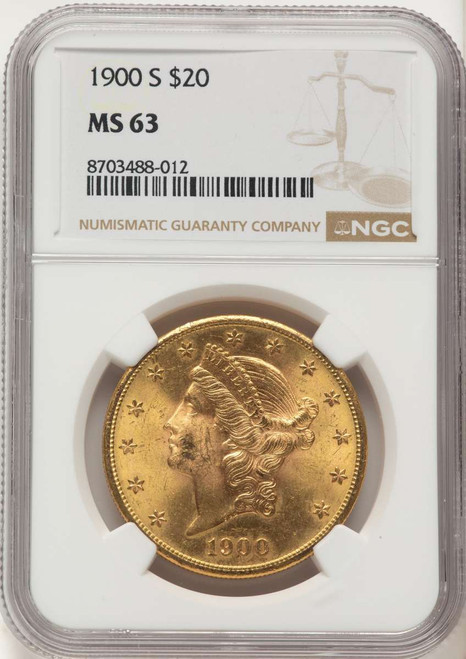
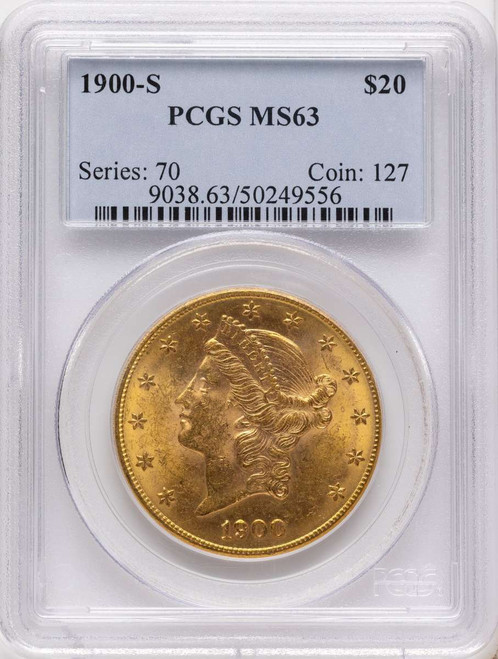


Certified Pre-1933 Gold Coins
Few areas of American numismatics blend gold content with deep national history like Certified Pre-1933 U.S. Gold Coins. Struck during the era when gold actively circulated as money, these coins witnessed westward expansion, the Gold Rush, industrial growth, World War I, and the economic turmoil of the Great Depression. Today, surviving examples, especially those certified by PCGS, CAC or NGC, remain among the most sought-after collectibles for both new collectors and seasoned numismatists. Bullion Shark specializes in certified Pre-33 gold and is an authorized dealer for leading industry organizations and grading services, making it simple to shop this category with clarity.
A quick history of U.S. gold coinage (and why “Pre-1933” matters)
The foundation of U.S. coinage was established by the Coinage Act of April 2, 1792, which authorized a national mint and regulated the coins of the United States. Over time, U.S. gold coinage evolved into the famous “eagle” family, coins denominated in dollars and made from gold, including Quarter Eagles ($2.50), Half Eagles ($5), Eagles ($10), and Double Eagles ($20). The U.S. Mint highlights this lineage and the lasting impact of iconic designs like the Saint-Gaudens Double Eagle.
The key “turning point” is 1933. On April 5, 1933, President Franklin D. Roosevelt signed Executive Order 6102, restricting private hoarding of gold and requiring much of it to be turned in, with notable exemptions including “gold coins having recognized special value to collectors of rare and unusual coins.” Soon after, the Gold Reserve Act of 1934reshaped the monetary system and revalued gold to $35 per ounce, altering the gold value of the dollar. This sequence of events led to widespread melting and attrition, one of the biggest reasons Pre-1933 gold coins are so collectible today.
What you’ll find in this category: major types and designs
Certified Pre-1933 gold is not one “coin,” but a wide world of denominations, mints, and historic designs. In this category, collectors commonly pursue:
-
$20 Double Eagles (especially the Saint-Gaudens series, 1907–1933) - celebrated for artistry and American symbolism.
-
$10 Eagles - classic, widely collected series that bridge early U.S. coinage to the modern era.
-
$5 Half Eagles - historically important, including the earliest regular-issue U.S. gold; the half eagle was authorized in the early system and is recognized as a cornerstone denomination in U.S. gold coinage.
-
$2.50 Quarter Eagles - compact “small gold” that can be highly collectible by date, mintmark, and condition (including famous early-20th-century designs).
Depending on inventory, you may also see other classic gold denominations and special issues, always with the added reassurance of third-party certification.
Key dates, pivotal years, and “low mintage” standouts
Collectors love Pre-1933 gold partly because it offers both “type coin” collecting (one example of a design) and “date/mintmark” collecting (pursuing rarities by year and mint). Some of the most discussed dates include:
-
1907 High Relief Saint-Gaudens Double Eagle, a landmark of U.S. coin artistry, created in an ultra-sculptural style that proved difficult for mass production, making it a standout collectible.
-
1927-D Saint-Gaudens Double Eagle, the Denver Mint struck 180,000, but PCGS notes that the vast majority were later melted after the 1933 gold recall, driving extreme rarity among survivors.
-
1933 Double Eagles (and the end of the series), PCGS notes 1933 production (445,500) and explains how very few became collectible survivors because most were melted, creating one of the most famous chapters in U.S. coinage history.
-
1911-D $2.50 Indian Head (Quarter Eagle), PCGS calls it the key date of the series with a mintage of 55,680, and warns it has been widely counterfeited (often by adding a “D” mintmark to a 1911). This is exactly where certification becomes crucial.
-
1909-O $5 Indian Head (Half Eagle), PCGS highlights its special status: the only Indian Head half eagle struck at New Orleans, and the final gold coin produced at that mint, making it a one-year “story coin” many collectors want in certified form.
Important note: “Low mintage” is only part of the story. Many coins with higher original mintages can still be rare today if they were heavily melted, exported, or circulated hard. Certification and market research (PCGS/NGC population data, auction records, and grade rarity) help separate myths from reality.
Why certification matters: PCGS/NGC authenticity, grade, and liquidity
Pre-1933 gold is valuable enough that counterfeits, altered mintmarks, and harshly cleaned coins are real concerns. Third-party grading from PCGS or NGC addresses those risks by authenticating the coin, assigning a market-accepted grade, and encapsulating it in a tamper-evident holder (“slab”). For key dates like the 1911-D $2.50 Indian, even PCGS explicitly discusses widespread counterfeiting, making certified examples far safer to buy and easier to resell.
Certification also improves pricing clarity. Graded coins trade in a more standardized marketplace, allowing collectors to compare like-for-like and evaluate how much of a coin’s value comes from rarity, eye appeal, strike quality, and condition, not just gold content.
CAC verification: an extra layer for premium quality
Beyond PCGS/NGC grading, some certified coins also carry CAC verification. CAC explains that its stickering service identifies coins that meet a higher standard of quality within the assigned grade, and that less than half of submitted coins receive the coveted green sticker. For collectors, CAC can be especially meaningful in series where subtle differences in originality, luster, and overall look separate “average for the grade” from “premium for the grade.”
Signature labels and special certifications: the collectible “story” factor
You may also encounter certified Pre-1933 gold with signature labels—holders that add a distinct collectible connection. NGC’s Signature Series, for example, features labels hand-signed by influential figures in the hobby (including Mint Directors, Chief Engravers, coin designers, and more), creating a one-of-a-kind collectible with a historical link beyond the coin itself. While the coin’s rarity and condition remain the primary value drivers, signature labels can add desirability by turning a great coin into a more personal, story-rich keepsake, particularly for collectors building themed sets or presentation-worthy holdings.
Shop Certified Pre-1933 Gold Coins with confidence
Whether you’re buying your first classic gold coin or upgrading a registry-level set, certified Pre-1933 gold offers a rare blend of beauty, history, and enduring demand. Explore this category for PCGS/NGC certified options, including CAC-approved and signature-label collectibles when available, and build a collection rooted in America’s most storied era of gold coinage.
FAQ
Pre-1933 U.S. gold coins are gold coins minted before the U.S. ended circulation of gold currency in 1933, making them survivors from the era when gold backed the dollar.
In 1933, gold coins were recalled during the Great Depression and many were melted—so remaining collector examples became significantly scarcer.
“Certified” means the coins are authenticated, graded, and encapsulated by major third-party grading services—Bullion Shark states coins are graded and certified by PCGS or NGC.
You’ll primarily see PCGS and NGC holders in this category, and some listings may also include CAC approval (when indicated on the listing).
Each listing includes a certification reference so you can check grading details (and typically population/mint mark info associated with the certification).
Bullion Shark states their listings use high-resolution images showing the actual coin you will receive, and the site includes a magnification tool for close inspection.
This category spans classic U.S. gold denominations including $1, $2.50 (Quarter Eagle), $3, $5 (Half Eagle), $10 (Eagle), $20 (Double Eagle) and also Certified Territorial Gold.
Pre-1933 designs include major series such as Draped Bust, Capped Bust, Classic Head, Liberty Head, and later iconic types like the Saint-Gaudens Double Eagle (from 1907).
Value is often driven by rarity, date/mint mark, grade, eye appeal, and historical significance, not just melt value, especially for higher-grade certified examples.
Bullion Shark states the category offers FREE insured shipping with tracking (and “no order minimums”).
Their Shipping & Delivery policy notes orders may take up to 30 days from completed payment (timing varies by delivery method), and orders typically require 3–5 business days to process before shipping.
Credit/debit card, bank wire, personal check, certified check, cashier’s check, or money order as accepted methods (and some payment types may have holding periods before shipping).
Yes, Bullion Shark invites customers to contact them for personalized help finding a specific coin, including via 888-355-1587 and info@bullionsharks.com.