


-

Bullionshark
1814 50C Bust Half Dollar Coin NGC MS61 E Over A in STATES - O-108a - R.1 - HAT508388039
$11,760.00 -

-

Bullionshark
1836 50C Bust Half Dollar Coin NGC MS65 Beaded Reverse - O-106a - R.2 - HAT508388018
$6,160.00 -
-

Bullionshark
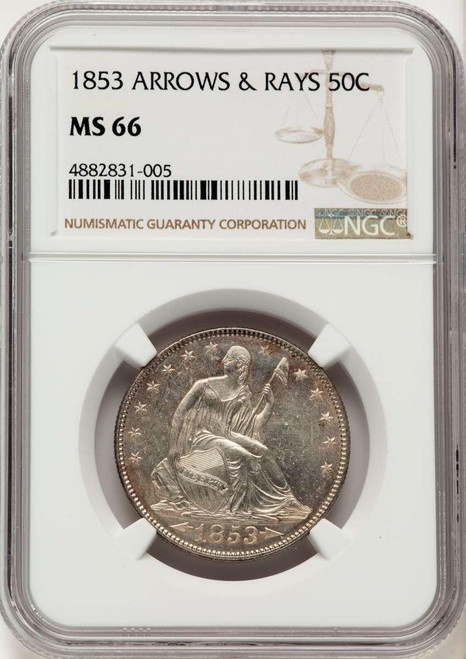
1917-D 50C Walking Liberty Half Dollar Coin NGC MS65 Obverse Mintmark - HAT522896123
$4,312.00 -

-

-

-

-

-

-

-

-
-

-

-
-

-

Bullionshark
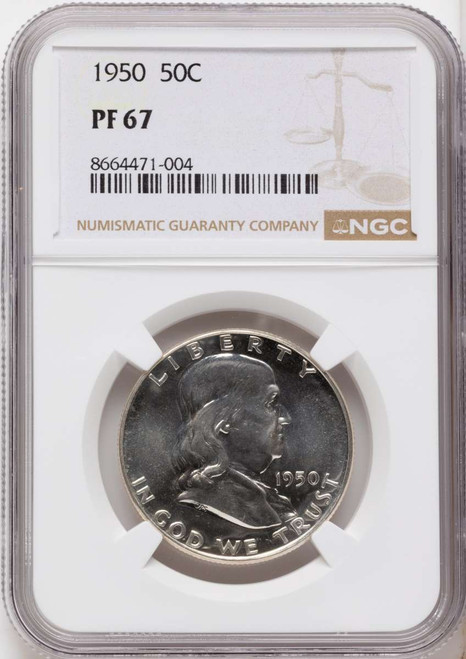
1950 50C Proof Franklin Half Dollar Coin PCGS PR67 CAMEO CAC + - HAT789808004
$17,640.00 -

-

-

-

-

Bullionshark
1976-S 50C Kennedy Half Dollar Coin NGC MS69 Bicentennial - Silver - HAT508238033
$5,040.00
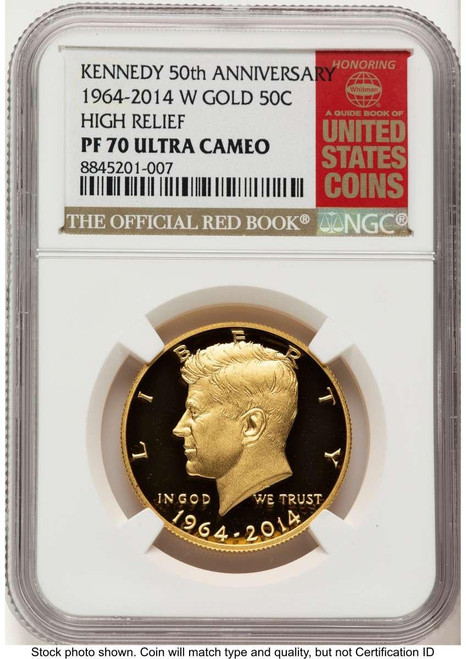


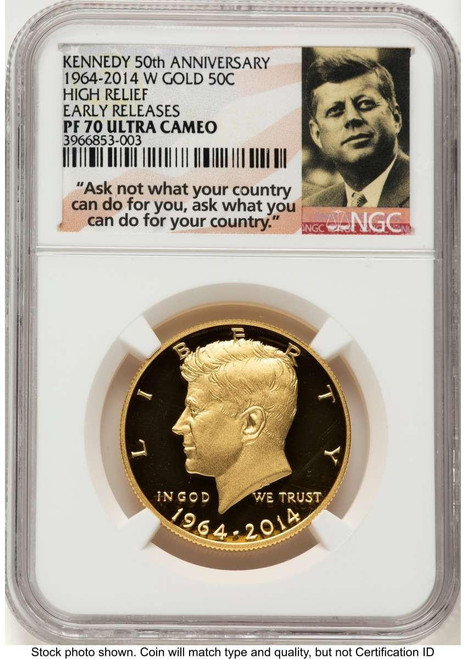

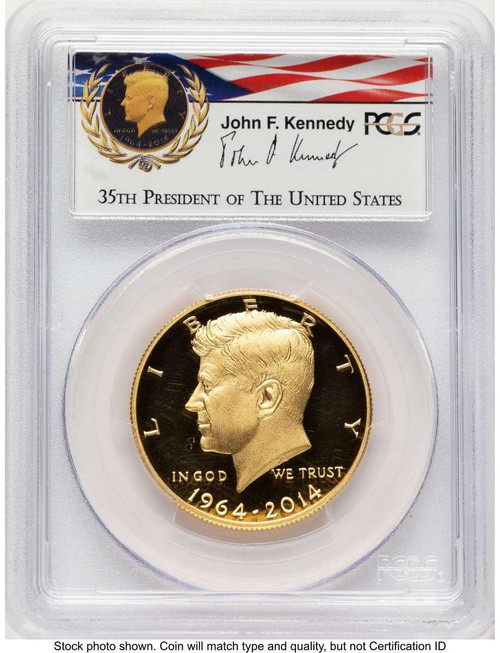

Certified Half Dollars (PCGS, NGC, CAC Graded) - Collector’s Favorite American Coinage
A certified half dollar is a U.S. half dollar coin that has been authenticated, graded, and encapsulated (“slabbed”) by a professional third-party grading service, most commonly PCGS, NGC or CAC. Top collector favorites include Walking Liberty (1916–1947), Franklin (1948–1963), Kennedy (1964–present), Barber (1892–1915), Seated Liberty (1839–1891), and early Bust half dollars (1794–1839).
From the earliest days of the Mint to modern commemoratives and silver issues, half dollars have carried American symbolism through wars, economic booms, political eras, and changing metal standards. If you’re building a serious collection (or upgrading key pieces), certified half dollars, professionally authenticated and graded by top services, are often the smartest way to buy.
On this page you’ll find a curated selection of Certified Half Dollars across the hobby’s most collected series, including Certified Walking Liberty Half Dollars, Franklin Half Dollars, Kennedy Half Dollars, Bust Half Dollars, Seated Liberty Half Dollars, and Barber Half Dollars.
History of the U.S. half dollar
The half dollar debuted in the earliest era of federal coinage. The denomination first appeared with the Flowing Hair half dollar (1794–1795), followed by the Draped Bust (1796–1807) and later the Capped Bust (1807–1839)—all part of the foundational “silver half dollars” lineage. Over time, iconic designs followed: Seated Liberty (1839–1891), Barber (1892–1915), Walking Liberty (1916–1947), Franklin (1948–1963), and Kennedy (1964–present).
Collectors love the denomination for a simple reason: it’s large enough to showcase high-relief artistry and fine detail, yet widely minted across decades, creating both affordable entry points and true “trophy coin” rarities in the same category.
Major Half Dollar Types
Bust Half Dollars (Flowing Hair / Draped Bust / Capped Bust)
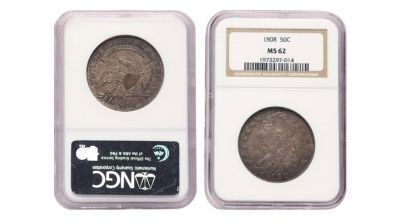
Early half dollars are where U.S. numismatics feels closest to American history itself. Even “common” examples are scarce compared to later series, and condition becomes everything.
A standout example of extreme scarcity is the 1796–1797 Draped Bust, Small Eagle type. Surviving populations are tiny; one collector resource notes only about 3,198 were minted across those two years, with perhaps 300–400 surviving today.
These early types are also famous for variety collecting (die marriages), which is why certification can be so valuable, attribution, authenticity, and surface quality are crucial in this segment.
Seated Liberty Half Dollars (1839–1891)
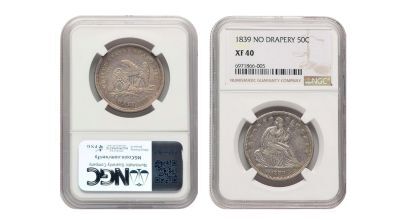
Seated Liberty halves span antebellum America, the Civil War era, and the rapid industrial expansion afterward. Collectors often pursue:
-
“No Motto” vs. “With Motto” subtypes (the motto was added mid-series),
-
branch mint issues (New Orleans, San Francisco, Carson City for other denominations—each mint adds storyline and scarcity pressure),
-
and condition rarities, especially coins with original luster and minimal marks.
Barber Half Dollars (1892–1915)
Barber halves are beloved for their “classic U.S. look” and strong collector base. Many dates are available in circulated grades, but truly attractive Mint State coins can be a different story. Proof issues exist as well, and certified examples help ensure you’re getting original surfaces and accurate designation.
Walking Liberty Half Dollars (1916–1947)
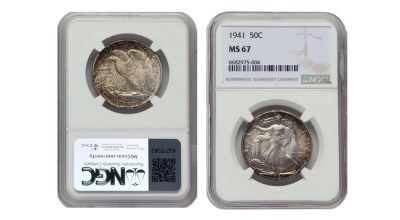
Walking Liberty halves are widely regarded as one of the most beautiful U.S. silver coin designs, so influential that the imagery later inspired the American Silver Eagle program.
This series is also packed with key dates and low-mintage years (see below), making it a centerpiece category for certified buying.
Franklin Half Dollars (1948–1963)
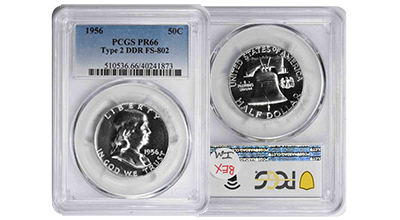
Franklins are popular with type collectors and condition-focused registry collectors. The series is short, silver-rich, and loaded with strike/finish nuances, meaning a small bump in grade or a better-quality strike can create major value differences.
Kennedy Half Dollars (1964–present)
The Kennedy half dollar is a modern icon, with multiple compositions and special issues over time. Silver versions (including collector issues) remain perennially popular, and certified modern halves are frequently collected by grade, designation, and special labels.
Key dates and Low-Mintage Years
“Key date” can mean the lowest-mintage regular issue, a famously hard-to-find coin in high grade, or a date plagued by counterfeiting and alteration. Here are some widely recognized targets to know:
Walking Liberty key dates (with mintages)
-
1916-S — one of the lowest mintages of the series at 508,000, and a major early key.
-
1921 (Philadelphia) — produced at just 246,000, reflecting reduced demand and surplus coinage conditions.
-
1921-D — the lowest-mintage Walking Liberty half dollar at 208,000 (a premier key date).
-
1921-S — 548,000 minted; still highly collected and often seen as a key in many grade ranges.
-
1938-D — only 491,600 struck; a later-series semi-key with strong demand.
These dates are exactly where third-party certification shines—buyers care deeply about authenticity, surfaces, and grade accuracy, and the market tends to reward “problem-free” examples.
Early half dollars and historical “gap” years
Another important “key date concept” is simply whether a coin was struck at all. For instance, one collector guide notes that after 1797, no half dollars were minted again until 1801 (a historical production gap that collectors often remember).
In early U.S. types, these gaps and tiny mintages are part of the rarity story.
Why certified half dollars matter
Buying a half dollar is easy. Buying the right half dollar—correctly graded, original, and authentic—is where experience (and certification) matters.
1) Authentication and counterfeit protection
High-value half dollars are frequently counterfeited or altered. Certification by leading services (commonly PCGS and NGC) provides a trusted authenticity layer and tamper-evident encapsulation (“the slab”), which is why many collectors prefer graded coins for key dates and higher grades.
2) Consistent, market-recognized grading
Grade drives price. A one-point change (say MS64 to MS65) can be a modest bump on common dates—or a massive jump on scarcer issues. Certified grading gives buyers a shared language and increases liquidity if you ever sell or trade.
3) Easier collecting goals: type sets, date sets, and registry collecting
Certified half dollars are ideal for:
-
Type sets (one coin of each major design),
-
Key date sets (targeting the scarcest years),
-
Condition sets (high-grade coins with eye appeal),
-
and competitive registry pursuits.
4) Added significance: CAC approval and premium labels
Some coins carry additional market signals, such as CAC verification (for quality within grade), which can increase buyer confidence and demand.
The significance of signatures (Signature Series labels)
Beyond the grade and holder, some collectors pursue Signature Series or hand-signed labels. NGC notes its Signature Series includes 40+ signers, including notable numismatic and Mint-related figures such as Don Everhart, Elizabeth Jones, and Anna Cabral.
These labels don’t replace the fundamentals (rarity, condition, eye appeal), but they can add a compelling layer of collectability, especially when populations are limited and the signer has real historic relevance to U.S. coinage.
Buy Certified Half Dollars Online
Whether you’re chasing a single centerpiece coin or building a full set, this Certified Half Dollars category is designed to make collecting simpler:
-
Shop by series (Walking Liberty, Franklin, Kennedy, Bust, Seated Liberty, Barber).
-
Prioritize key dates and low mintage years first.
-
Then upgrade condition and eye appeal as your collection matures.
If your goal is long-term value, the best strategy is usually: buy the best-certified example you can comfortably afford, especially for key dates and coins you plan to keep. Certified half dollars are one of the most satisfying corners of the hobby, because every coin is both a tangible piece of American history and a collectible asset the market understands.
FAQ
A certified half dollar is a U.S. half dollar coin that has been authenticated, graded, and encapsulated (“slabbed”) by a professional third-party grading service, most commonly PCGS or NGC.
Certification helps confirm authenticity, provides a standardized grade, and protects the coin in a sealed holder, reducing the risk of counterfeits, altered dates, or undisclosed problems.
Top collector favorites include Walking Liberty (1916–1947), Franklin (1948–1963), Kennedy (1964–present), Barber (1892–1915), Seated Liberty (1839–1891), and early Bust half dollars (1794–1839).
Many classic half dollars are silver, but not all. Older U.S. halves were silver for long stretches of history, while later issues include non-silver compositions and select modern silver collector versions depending on the year and issue.
Grades describe a coin’s condition. “MS” (Mint State) generally means uncirculated; “AU” is About Uncirculated; “XF/EF,” “VF,” and “F” indicate progressively more wear. Higher grades typically command higher prices.
PCGS and NGC are the two most widely recognized grading services in the U.S. market. Both authenticate, grade, and encapsulate coins; collector preferences often come down to series, pricing, and resale market familiarity.
Start with your goal: type set, date set, or investment-quality pieces. For eye appeal on a budget, many collectors prefer higher-end circulated grades (XF–AU). For long-term condition rarity, Mint State coins are often the target.
Key dates are the most sought-after coins in a series, often due to low mintage, low survival rates, or strong collector demand. They usually represent the “toughest to get” coins needed to complete a set.
Collectors commonly focus on 1916-S, 1921, 1921-D, 1921-S, and select other lower-mintage issues like 1938-D, especially in better condition.
Price differences often come from grade, strike quality, luster, toning/eye appeal, rarity in high grades, and whether the coin has any special designations or premium market acceptance.
A problem coin may have cleaning, damage, harsh polishing, corrosion, or repairs. Some grading services will encapsulate them with a “details” designation rather than a straight numerical grade, which usually impacts value.
A details grade typically means the coin is genuine but has an issue that prevents a standard numeric grade. It will still identify the coin and often note the problem (e.g., cleaned, scratched).
No. Certification reduces risk and helps establish market value, but prices can change based on demand, bullion/silver trends (for silver issues), collector interest, and overall market conditions.
Signature Series labels are special certified holders with signatures from notable figures (designers, engravers, numismatic personalities). They can add collectability and premium demand, especially when the signer has strong relevance or limited availability.
Keep slabs in a cool, dry place away from humidity and extreme temperature swings. Many collectors use slab boxes or safes, and avoid direct sunlight to protect label condition and minimize environmental risk.