


Penny Production Cessation Questions Answered
Posted by Andrew Adamo - A certified ANA Professional Numismatist, Active member of ICTA, contributor to CoinWeek, Numismatic News, NGC and ANA on Mar 17th 2026
The following information is intended as general, non-binding guidance and is subject to all otherwise applicable laws, regulations, and business policies.
Frequently Asked Questions
Why is penny production being suspended?
Over the past decade, the cost to produce a penny has increased significantly, rising from 1.3 cents to 3.69 cents per coin. These costs include materials, labor, facilities, and overhead. According to the U.S. Mint, stopping penny production is expected to reduce material costs by approximately $56 million annually, with additional savings possible through operational efficiencies.
As cash usage continues to decline and the purchasing power of a single penny remains minimal, the Treasury Department has determined that continuing production is no longer fiscally practical or necessary to meet the needs of commerce in the United States.
Related articles: Top 100 Pennies Worth Money
When will pennies stop circulating?
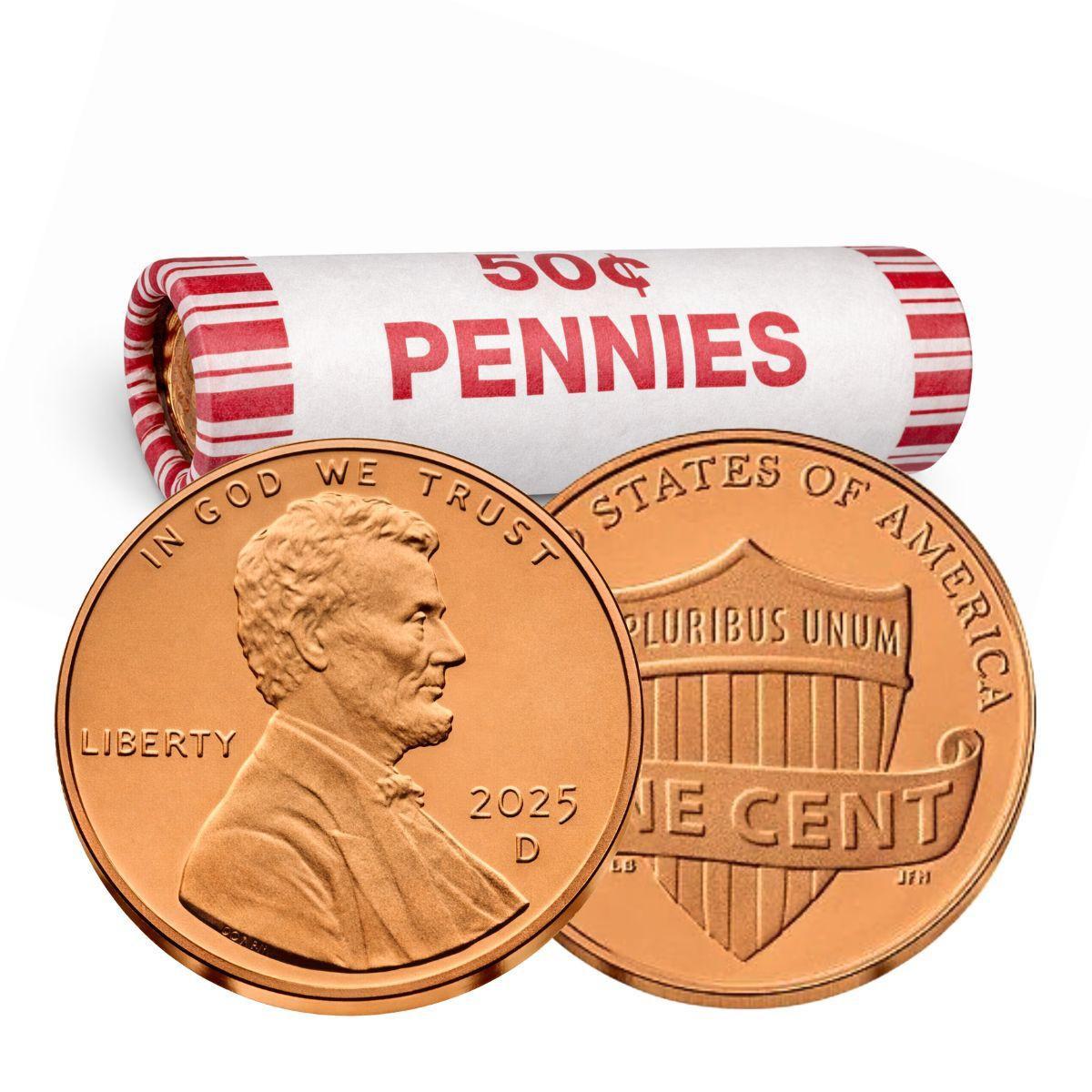
Although the federal government has stopped producing new pennies, the roughly 114 billion pennies already in circulation are expected to remain in use for the foreseeable future. The Federal Reserve will continue recirculating existing pennies as long as possible.
How long pennies remain in everyday use will depend largely on consumer and business behavior. Customers are encouraged to continue spending pennies already in their possession to help ease the transition.
Will pennies still be legal tender?
Yes. Pennies will continue to be legal tender and will retain their face value indefinitely, even after new production ends.
Can I still use pennies to make purchases?
Yes. Customers may continue using pennies for cash purchases wherever they are accepted. As pennies become less common in circulation, some businesses may begin rounding cash transactions to the nearest five cents when exact penny change is unavailable.
How will cash transactions be rounded?
As pennies become less available, cash transactions may be rounded up or down to the nearest five cents. In general, the most common recommended method is symmetrical rounding:
-
Amounts ending in 1, 2, 6, or 7 cents are rounded down to the nearest multiple of five.
-
Amounts ending in 3, 4, 8, or 9 cents are rounded up to the nearest multiple of five.
-
Amounts ending in 0 or 5 cents remain unchanged.
This rounding approach applies only to the final total of a cash transaction, after all duties, fees, taxes, and other charges have been calculated.
Will rounding affect online orders or card payments?
No. Non-cash transactions should continue to be charged and processed to the exact cent. This includes online purchases, credit card transactions, debit card payments, gift cards, checks, and other non-cash forms of payment.
Will rounding increase prices overall?
Rounding should not increase prices overall. For cash transactions, final totals should be rounded down just as often as they are rounded up, so the effect is expected to balance out over time. There is no impact on non-cash transactions.
Will sales tax still be calculated the same way?
Sales tax rules are determined by state and local law. In general, taxes are expected to continue being calculated on the exact transaction amount before any cash rounding is applied. However, states may take different approaches, and customers should consult their state tax authority for the most current guidance.
How will refunds work?
Refund policies remain at the discretion of each business. If a refund is issued in cash and pennies are not used, the final refund amount may be rounded in a fair, consistent, and transparent manner. Refunds issued through non-cash methods should continue to be processed to the exact cent.
Will businesses need to update their payment systems?
That decision will depend on each business. Point-of-sale systems may be updated to apply rounding automatically for cash transactions and to show any rounding adjustment clearly on receipts. This can improve transparency and create a smoother customer experience.
How do split payments, gift cards, checks, or foreign currency payments work?
As a general rule, rounding should apply only to cash payments. Transactions paid by gift card, check, credit card, debit card, or other non-cash methods can still be settled to the exact cent.
Can consumers and businesses still deposit pennies at banks?
Yes. Pennies remain legal tender and may continue to be deposited at financial institutions. Some banks may require larger coin deposits to be rolled or wrapped in advance, so it is a good idea to check with your financial institution for its specific procedures.
A Note to Bullion Shark Customers
As a business serving collectors and Bullion Shark remains committed to transparent pricing and clear communication throughout any transition related to the phase-out of penny production.
Where required and appropriate, any rounding for cash transactions will be applied fairly, consistently, and only to the final transaction total. Non-cash transactions will continue to be processed to the exact cent.
For questions about a specific order or payment method, please contact the Bullion Shark customer service team.